Warning: The magic method Math_Captcha::__wakeup() must have public visibility in /profiles/c/ca/car/carnamedica/carnamedica.cba.pl/wp-content/plugins/wp-math-captcha/wp-math-captcha.php on line 87 STOREPROTECT PLUS - Carnamedica
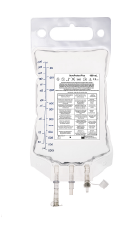
Manufactured with the application of originally designed aseptic filling technology to meet the highest quality standards. USP and pharmacopeia class raw materials used for manufacturing in the GMP certified manufacturing site. We offer CE class III product certified by TUV Nord having shelf life of 18 months, that can be stored at temperatures between 2 and 25 Celsius, packed in EVA bags. Our bags are optimised for organs’ perfusion – equipped with high flow spike port injection port and available in 1 and 2 liter volume.
StoreProtect Plus® (1000 ml / 2000 ml)
Medical devices for professional user
An “Clinically optimized University of Wiscosin Solution” extracellular low Potassium – high Sodium preservation solution with lower viscosity and vasoconstrictive potential than University of Wisconsin solution.
Composition:
Lactobionic acid
35.8 g
105 mmol/L
Adenosine
1.336 g
5 mmol/L
Allopurinol
0.136 g
1 mmol/L
Glutathion
0.922 g
3 mmol/L
Polyethylene glycol (PEG 35)
1 g
1 g/L
Potassium dihydrogen phosphate
3.402 g
25 mmol/L
Raffinose, 5H20
17.84 g
30 mmol/L
Magnesium sulphate, 7H20
1.232 g
5 mmol/L
Sodium Hydroxide
qs pH: 7.4
Water for injection
qs 1000 mL
Storage Conditions:
Shelf Life
18 Months
Temperature
2°C to 25°C, Do not Freeze
StoreProtect Plus® is a clear to light yellow, sterile, non-pyrogenic solution intended for the flushing and the hypothermic storage of organs. The product has an osmolality of approximatively 290 mOsm/kg, sodium concentration of 120 mmol/L, potassium concentration of 25 mmol/L and pH of 7.4 at room temperature.
StoreProtect Plus®
An real alternative to UW formula with low potassium and high sodium concentrations, adopting advantages of Allopurinol, Glutathione as protection against cell-ischemia reperfussion injuries and Adenosine as the ATP precursor.
Advantages :
Reduce threat of transient high potassium levels and organ implantation.
Better organ flush thanks to aqueous viscosity and no vasoconstrictive high potassium effect of UW solution .
Reduced red blood cell aggregation level known as HES disadvantage thanks to PEG 35 used as oncotic agent.
Terms And Conditions
This site has been created to provide information on our products to medical professionals. Please understand that it is not intended to provide information to the general public.